


RedCLARA’s Executive Director, Luis Eliécer Cadenas, will take part on 5 November in the launch of the Perla Antártica initiative by CAF – the Development Bank of Latin America and the Caribbean, a forum that will bring together stakeholders from Ibero-America to explore new opportunities for scientific cooperation, advanced connectivity and the exchange of data on climate change and Antarctic research.
Science has shown that major global challenges require collaborative responses. Climate change is one such challenge, and Antarctica is one of the most important natural laboratories for understanding it. The data generated there are fundamental to the study of the oceans, polar ecosystems, extreme weather events and global climate change. However, making full use of this knowledge requires strengthening international cooperation and the digital infrastructure that enables the sharing of scientific information between countries and institutions.
To this end, on Thursday 5 November, as part of the 30th Ibero-American Summit of Heads of State and Government, there will be a presentation of the Perla Antártica expedition, an initiative promoted by CAF to foster regional collaboration in Antarctic research, climate observation, data exchange and scientific capacity-building. The event forms part of a summit focused on cooperation, digital transformation, science and innovation as tools for building shared solutions to global challenges.
Among those taking part in the launch of the expedition, which will take place between 10 and 14 February 2027, will be Sergio Díaz-Granados, Chief Executive of CAF, and Ximena Lincolao, Chile’s Minister for Science, Technology, Knowledge and Innovation. Following the participation of these officials and a keynote address by Kenneth Pugh, External Adviser to CAF, a panel discussion will take place entitled ‘Looking south: climate change, science, data and international cooperation in Antarctica’, featuring Eloísa del Pino Matute, President of the Spanish National Research Council (CSIC); José Moisés Martín Carretero, Director-General of Spain’s Centre for Technological Development and Innovation (CDTI); Claudio Radonich, Mayor of Punta Arenas; Carol Portabella, Representative of the Prince Albert II of Monaco Foundation’s delegation in Spain, and the Executive Director of RedCLARA, Luis Eliécer Cadenas, who will share the regional network’s experience in building digital infrastructure for science and education in Latin America and the Caribbean, in ongoing collaboration with REUNA, the Chilean academic network.
RedCLARA’s participation in this event reflects a track record spanning more than two decades of promoting the integration of the region’s research and education communities through advanced networks, collaborative services and international cooperation. This mission has been particularly strengthened through BELLA, one of the most significant digital cooperation initiatives between Latin America, the Caribbean and the European Union, which has expanded the possibilities for scientific collaboration between the two continents.
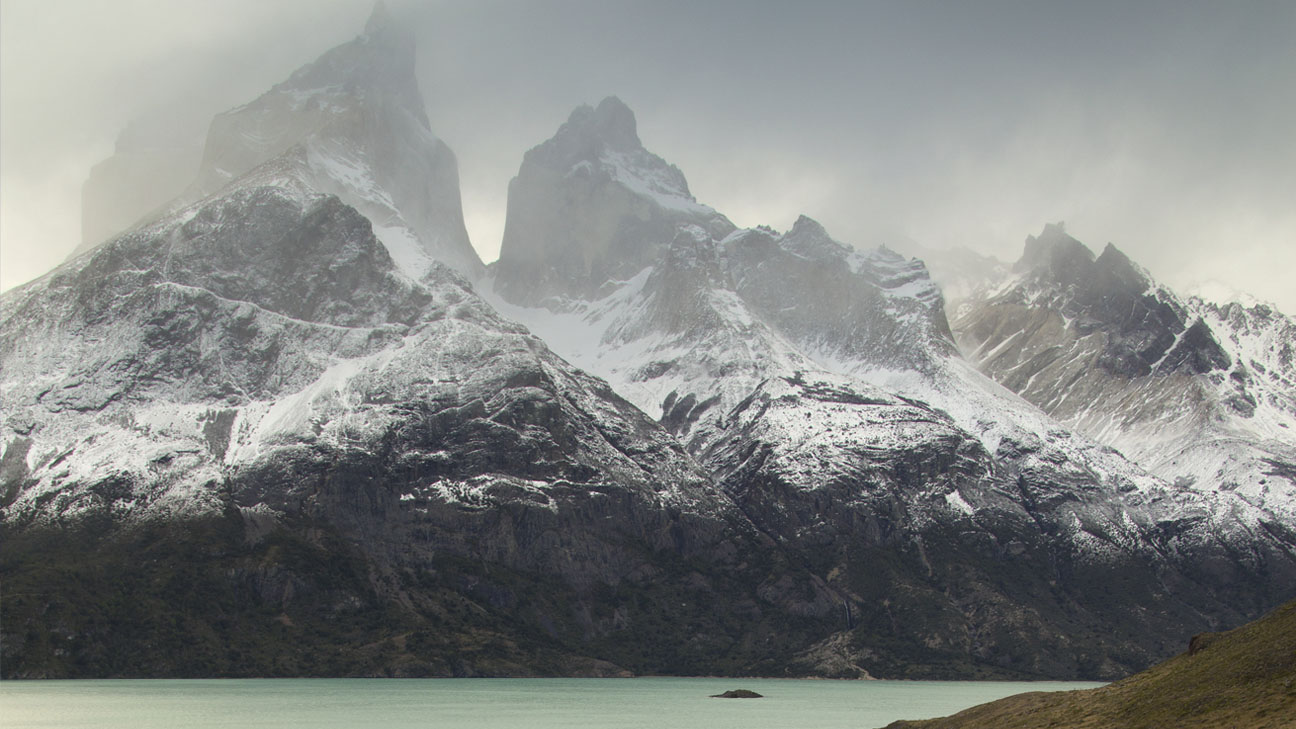
One of the most concrete examples of the impact of this vision is the Patagonia Project, developed by REUNA, Chile’s National Research and Education Network and a founding member of RedCLARA. Funded by Chile’s National Agency for Research and Development (ANID), the initiative led by REUNA was launched to connect scientific institutions in the Aysén and Magallanes regions with national and international research networks, thereby strengthening the capabilities of one of the world’s most strategic areas for the study of climate, sub-Antarctic ecosystems and Antarctica.
As part of this project, REUNA deployed over 1,300 kilometres of new network infrastructure, incorporating nodes in Coyhaique and Punta Arenas, thereby enabling the connection of institutions such as the University of Magallanes (which recently became the world’s southernmost university to deploy eduroam), the Chilean Antarctic Institute (INACH) and various research centres in Chile’s southern macrozone. Furthermore, the initiative is seen as a key step towards future high-capacity Antarctic connectivity projects.
For RedCLARA, strengthening Antarctic research represents an opportunity to continue building bridges between science, technology and international cooperation. The presentation of Perla Antártica at the Ibero-American Summit will help to advance this dialogue and explore new partnerships between governments, multilateral organisations, academic networks and research centres, with the shared aim of generating knowledge that contributes to a better understanding of the impacts of climate change and the design of responses based on scientific evidence.