


María José López Pourailly
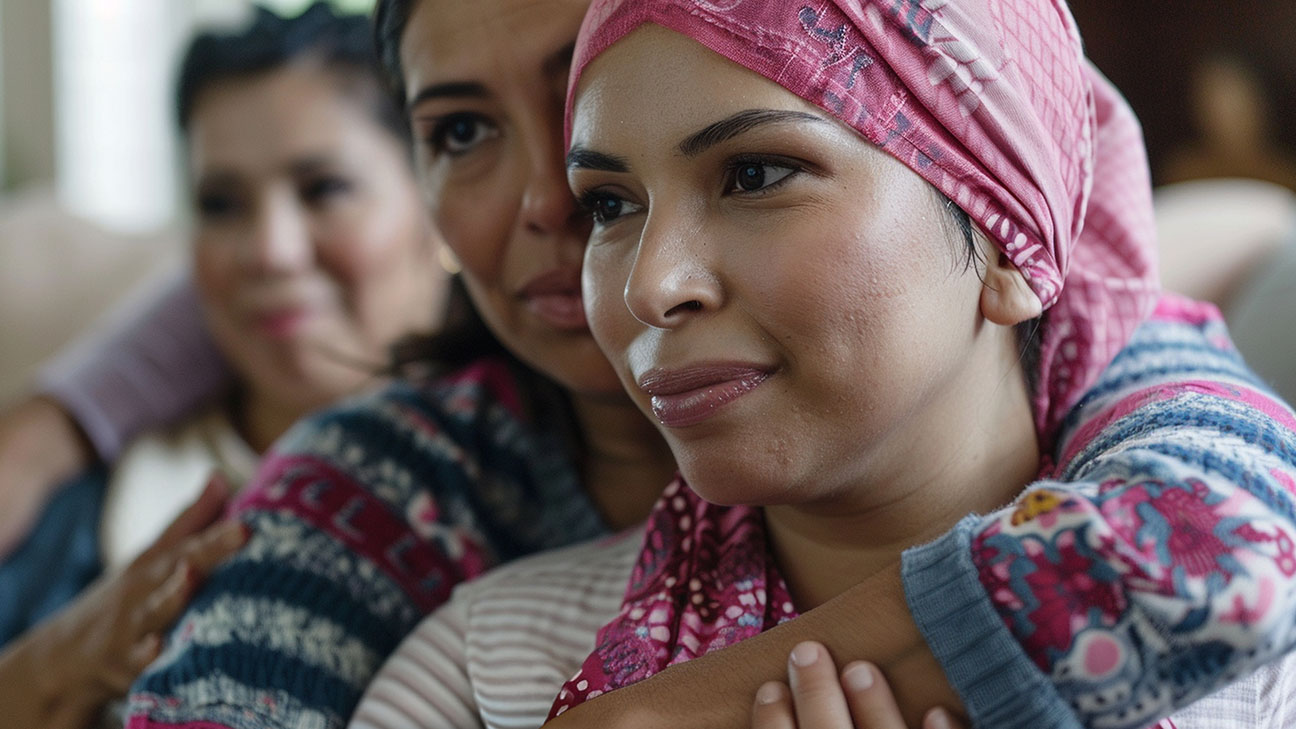
Breast cancer is one of the leading causes of death among women worldwide. In fact, according to the Pan American Health Organisation (PAHO), more than 220,000 new cases are diagnosed each year in Latin America and the Caribbean alone, and around 60,000 women die from the disease, half of them before reaching the age of 65. Against this backdrop, the question posed by a Mexican multidisciplinary team is particularly pertinent: Can we identify ‘biological markers’ of breast cancer in a blood sample and use them to identify women at risk of developing the disease before any obvious symptoms or signs appear?