



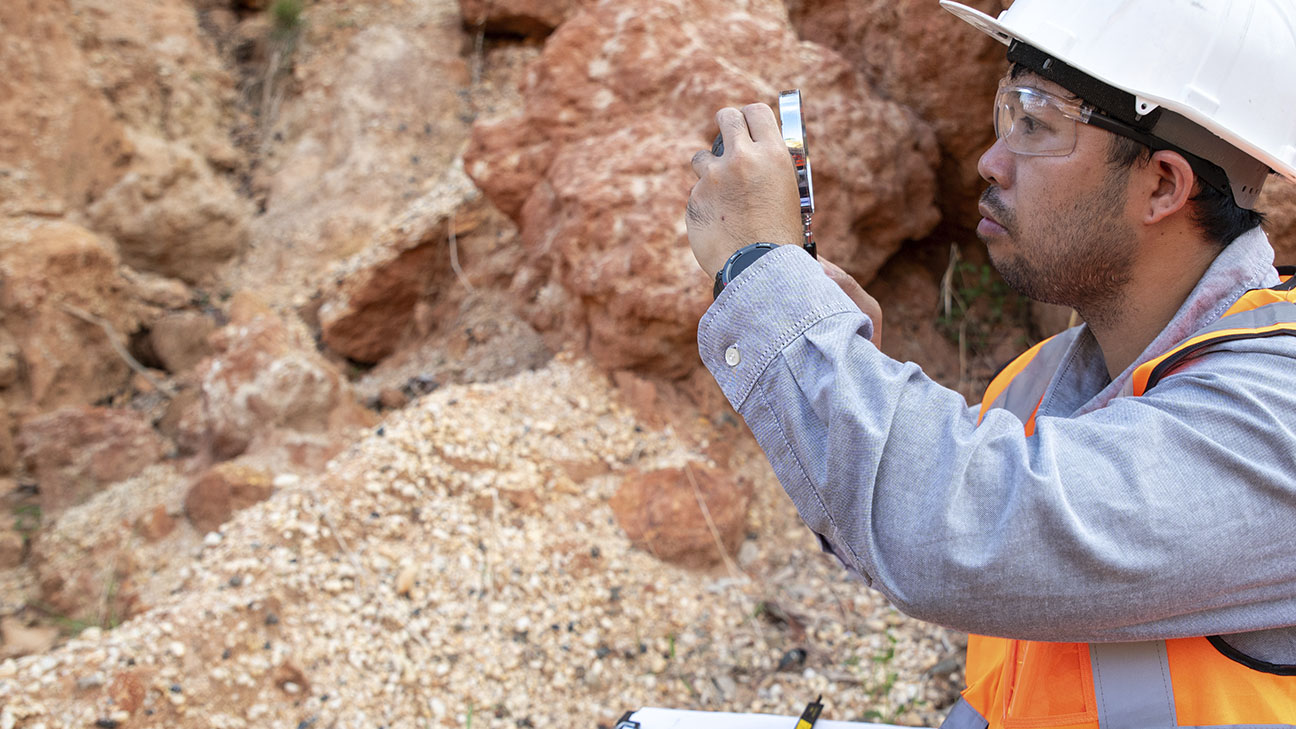
Mercury pollution is one of the most persistent environmental and health problems in Latin America, with significant impacts on ecosystems and communities exposed to this highly toxic metal, particularly those involved in artisanal mining. Kidney problems, neurological disorders and foetal malformations are among its most severe manifestations. Faced with this challenge, the Ecuadorian MerIA (Mercury Identification through Artificial Intelligence) project, which benefited from the capabilities of BELLA II’s Bioinformatics and Artificial Intelligence testbed through the Early Adopters BIO+IA programme launched in March 2026, utilised this testbed to investigate how certain microorganisms manage to resist and detoxify mercury. Indeed, the solution lies in nature itself, but the research data supporting this is so scattered that analysing it is almost a feat in itself.